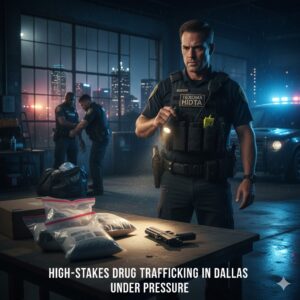
Drug trafficking in Dallas is not just a legal issue; it’s a real problem that affects families, neighborhoods, and everyday life. People are worried about their kids playing safely in parks, at-risk teens meeting dangerous people at school, and people feeling unsafe walking home at night on the streets.
Trafficking has effects that go far beyond arrests; it causes addiction, crime, and instability. For people who are facing charges, a good Dallas Drug Trafficking Defense Lawyer can mean the difference between a conviction that changes their life and a chance to start over.
How Drug Trafficking Works in Texas
Texas has some of the toughest drug laws in the US. There are “penalty groups” for controlled substances, and the type and amount of a drug determine how serious the charges are. Trafficking, which means selling, moving, or making drugs, is a very serious crime.
Even a little bit of some dangerous drugs can get you in a lot of trouble. If you have a lot of drugs, have been convicted of a crime before, sell drugs near schools, or are connected to organized crime, you could spend decades in prison. If you cross state lines, you could be charged with a federal crime, which has even higher fines and longer prison sentences. Without the help of a lawyer, this legal landscape is both dangerous and hard to get around.
The Cost to People
Trafficking has effects that go beyond the legal system. When drugs are used a lot in a neighborhood, there are often more overdoses, property crimes, and violent events. There is a lot of stress on families, both emotionally and financially, and hospitals and social services are very busy. Kids who grow up in these areas may have trauma, trouble in school, and homes that aren’t safe. These things can last a lifetime.
Dallas isn’t just sitting there. Police and community groups are working together not only to make arrests, but also to stop drug use, teach at-risk young people, and help people who are addicted to drugs get better. Counseling, job training, mentorship programs, and programs that help people get back on their feet are all good ways to stay out of trouble.
These quieter efforts are just as important as the louder ones when it comes to ending drug abuse and making neighborhoods safe again.
Police at Work
Texoma HIDTA (High Intensity Drug Trafficking Area) is a big project that brings together federal, state, and local agencies to fight drug trafficking in North Texas, including Dallas. Police use intelligence-led operations to go after large drug networks, seize drugs and weapons, and break up organized crime groups.
Nonprofits and grassroots groups also play a big role in helping. They help teens who are in danger and people who have been in trouble with the law by giving them jobs, counseling, and education. When both supply and demand are dealt with, it becomes easier for communities to feel more in control and to rebuild safety and trust over time.
The Importance of Legal Defense
Even when the investigation is handled well, the legal system can still feel complicated and overwhelming. The outcome is often decided by things like how evidence is collected, how police work, and proof of intent. A good defense lawyer can challenge evidence, negotiate fair plea deals, or make arguments like mistaken identity or violations of constitutional rights. Quick action can make a meaningful difference in the case, giving the accused a better chance to protect their future.
Facing trafficking charges can feel overwhelming. Reaching out to Broden & Mickelsen, LLP, as soon as possible can make a huge difference when you’re dealing with drug trafficking charges. They can explain everything in a way that makes sense, look out for your rights, and put real effort into reaching the best outcome possible. In stressful moments, they’re often the ones who help bring a bit of calm, clarity, and direction.

