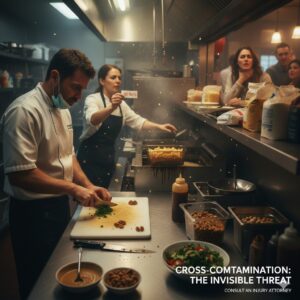
“No nuts” sounds simple when someone orders a meal, but the truth behind that request is complicated. For people with severe nut allergies, a stray crumb or smear can be just as dangerous as a whole handful. When a reaction occurs, families sometimes end up wondering if they should consult an injury attorney about your legal options, because the harm came from more than just a simple mistake.
Why “No Nuts” Isn’t A Complete Safety Plan
Many diners believe that telling a server “no nuts” is enough to stay safe. In reality, restaurant kitchens are busy places where ingredients move quickly, and tools are shared. Even when no nuts are added to a dish, small traces can still find their way in.
Cross-contamination happens when tiny amounts of an allergen transfer from one surface, tool, or ingredient to another. A knife used to cut a pecan-topped dessert can spread residue to a “nut-free” salad. A cutting board that held peanut sauce at lunch can affect dinner hours later.
For someone with a serious allergy, those traces are not minor. They can trigger hives, breathing trouble, or even life-threatening reactions. That is why “no nuts” is only the start of the safety conversation.
How Cross-Contamination Happens In Busy Kitchens
Restaurant kitchens are designed for speed and volume. Cooks often work on shared prep tables, move between stations, and grab the same utensils. In that rush, carefully separating nut and non-nut foods can be hard.
Oil used to fry a nut-coated item might later be used for fries or chicken. A pan that once held a nut-based sauce may be wiped but not fully washed before the next order. Tiny splatters can land on nearby plates or ingredients without anyone noticing.
Even dry storage areas can be a problem. Open bags of nuts, flour, and toppings may be stored on the same shelves. Dust or crumbs can fall into containers that are later used for “safe” dishes.
Communication Gaps Between Guests And Staff
Good communication is a key defense against cross-contamination. Diners with allergies need to feel comfortable speaking up clearly. At the same time, staff must understand the seriousness of what they are hearing.
Sometimes, servers write down “no nuts” without explaining that the guest has a severe allergy. In other cases, the kitchen treats the request more like a preference than a medical need. That gap can lead to half-measures instead of strict precautions.
Language barriers, noise, and stress can also cause confusion. A rushed conversation in a crowded dining room is not ideal for detailed allergy discussions. Important details can be lost in the noise.
Hidden Sources Of Nut Exposure
Nuts can show up in places many people do not expect. Sauces, dressings, marinades, and desserts may contain nut oils, pastes, or extracts. Some “natural flavorings” include nut-derived ingredients that are not obvious from the menu.
Bakeries and dessert stations are especially risky. Trays of cookies, cakes, and pastries often share ovens and display cases. Even items without nuts in the recipe may come into contact with nut toppings or fillings.
Garnishes and finishing touches can also surprise people. A dish that sounds simple on the menu might arrive with a sprinkle of crushed nuts or a drizzle of nut-based sauce. Without strong systems, one slip can put a vulnerable guest in danger.
Steps Diners With Nut Allergies Can Take
People living with severe nut allergies often become skilled at protecting themselves. They may carry emergency medication, research restaurants in advance, and ask detailed questions at the table. These steps can reduce risk, though they cannot erase it.
When ordering, clearly state that the allergy is serious and may cause a medical emergency. Asking whether nuts are used in the kitchen at all and whether separate equipment exists can reveal how well-prepared a place really is. If answers seem unsure or dismissive, leaving may be the safest choice.
Friends and family can support the person with the allergy by backing them up and not brushing off their questions. A united front makes it easier to stand firm when something does not feel right.
When Cross-Contamination Leads To Harm
Despite best efforts, serious reactions still occur in restaurants. An overlooked sauce, a shared fryer, or a mislabeled ingredient can send someone to the hospital. The experience is frightening not only for the person reacting but for everyone at the table.
Afterward, families often try to piece together what went wrong. They may ask whether the staff were aware of the allergy and what steps were taken to prevent exposure. Menus, receipts, and even photos of dishes can become important clues.
Some people choose to report the incident to the restaurant or the local health department. Others seek medical, allergy specialist, or legal guidance to understand their options. That search is often about finding answers as much as anything else.
Conclusion
For people with serious nut allergies, “no nuts” is only the beginning of a much bigger safety question. Cross-contamination in restaurant kitchens shows how small oversights can have huge consequences. When those oversights lead to real harm, some families decide to consult an injury attorney about your legal options, looking for clarity and accountability in a situation that never should have turned dangerous in the first place.

