Chaos often rules the moments after a car accident. The screech of brakes, honking horns, and sudden collisions make it almost impossible to remember every detail. In that blur, small facts can be forgotten, and confusion can change the way events are described. Yet these details are often the difference between a fair settlement and a claim that doesn’t cover what you actually lost.
Dashcams, witness statements, and other forms of evidence provide a way to capture what really happened. They offer clarity when memories fade and ensure that all aspects of an accident are considered. For anyone seeking compensation for car accident cases, understanding how evidence strengthens a claim can make a big difference.
This guide looks at the most effective types of evidence and why they matter.
How Dashcam Footage Can Strengthen Your Case
Provides a Clear Record of the Accident
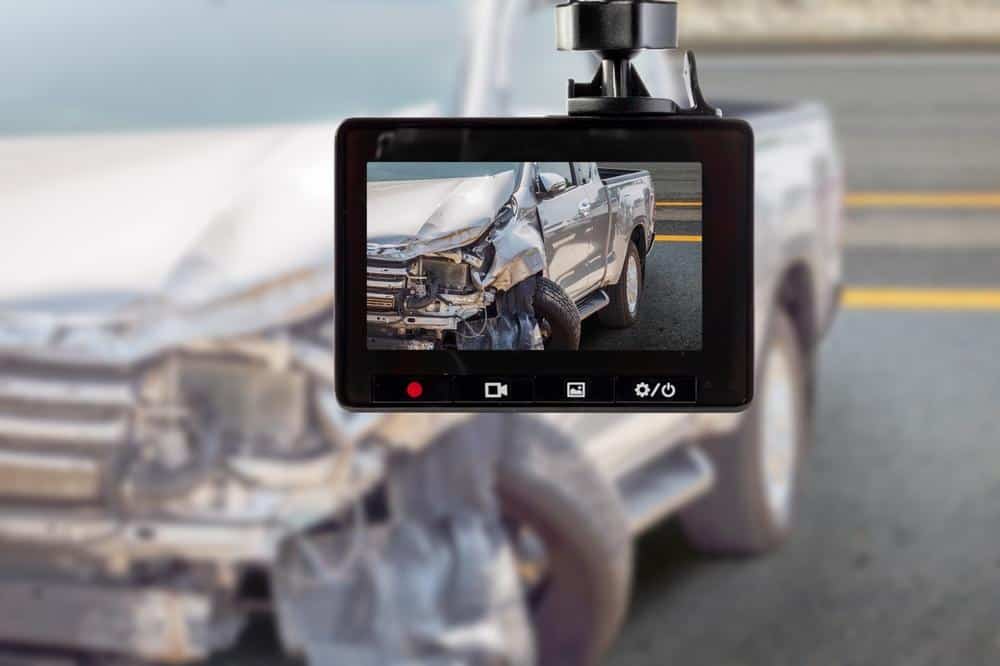
Dashcams capture every moment of an accident, recording the speed of vehicles, the behavior of drivers, traffic signals, and road conditions. Unlike memories that can blur or be influenced by stress, video provides an objective record. Insurance companies and courts value this clarity, making it harder for anyone to dispute the facts.
Supports Your Version of Events
Even when your memory is accurate, other drivers or witnesses might recall events differently. Dashcam footage confirms your version of the accident and backs up your statements with proof that cannot be misinterpreted. This can be particularly important in cases where liability is disputed or when multiple vehicles are involved.
Reduces Disputes With Insurance Companies
Insurance adjusters sometimes try to minimize payouts, assuming claimants have limited proof. Having clear video evidence leaves less room for argument. Dashcam recordings often accelerate the claims process and can increase settlement amounts, ensuring your case receives the consideration it deserves.
How Witness Statements Can Help
Offers Independent Confirmation
Witnesses provide a perspective separate from the drivers involved. Whether a pedestrian, a nearby driver, or a passenger, a statement from someone who saw the accident adds an independent layer of verification to your case.
Adds Credibility to Your Claim
Firsthand accounts carry weight with insurance companies and in court. A reliable witness who can clearly describe what they saw supports your version of events and strengthens your position, helping avoid unnecessary delays in resolving the claim.
Helps Establish Liability
Witnesses can provide essential details about what led to the accident, including reckless driving, failure to signal, or unsafe lane changes. These details help assign responsibility accurately and ensure that the party at fault is held accountable.
Other Types of Evidence That Matter
Photos of the Scene and Vehicle Damage
Photographs capture visible damage, skid marks, and the layout of the accident scene. These images help establish the severity of the accident and provide a visual reference that supports statements from witnesses and drivers.
Medical Records and Bills
Injuries from car accidents can be extensive and may require ongoing treatment. Medical records document the extent of injuries, treatments received, and any long-term effects. Bills show the financial impact of those injuries, which is essential for determining fair compensation. For anyone pursuing compensation, presenting thorough medical documentation strengthens the argument for full reimbursement of costs.
Police Reports
Official police reports provide citations, witness statements, and a timeline of the accident. They are considered reliable evidence in legal and insurance proceedings, giving an objective overview of the event and helping to confirm key details.
Tips for Collecting and Preserving Evidence
- Install a dashcam that automatically saves footage during a collision.
- Ask witnesses to provide written statements with their contact details.
- Take clear photographs of vehicles, damage, skid marks, and surrounding conditions.
- Keep all medical records, bills, and treatment documentation.
- Obtain a copy of the police report and any official notes.
Collecting evidence promptly ensures nothing is lost or misrepresented. Every piece of documentation adds weight to your claim and reduces the chance of disputes with insurers.
Closing Thoughts
Car accidents are overwhelming, but the way evidence is collected can dramatically impact your case. Dashcams provide a visual account that captures every movement and detail. Witness statements offer independent confirmation and credibility. Photos, medical records, and police reports add further layers of proof that document the accident comprehensively.
Together, these forms of evidence protect your rights and improve your chances of receiving fair compensation for car accident cases. Taking care to gather and preserve evidence immediately after an accident ensures that your claim reflects the full impact of the incident. Strong, organized documentation strengthens your position with insurance companies and legal authorities, making it more likely that your case is resolved in your favor.

