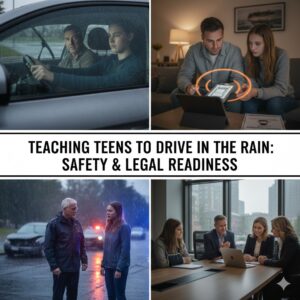
Learning to drive is exciting for teens, but rainy days can turn even simple trips into a challenge. Slippery roads and poor visibility make every decision behind the wheel more critical. In the rare event of a serious crash, knowing how to get legal support after a serious motorcycle collision or car accident can make a huge difference. Starting safe driving habits early helps teens feel confident and stay protected. By practicing the right techniques, rainy days can become less stressful and more manageable for new drivers.
Understand the Risks of Rainy Driving
Rain can make roads slick and reduce visibility, turning familiar streets into tricky obstacles. Even small puddles can cause your car to skid if you’re not careful. Understanding these risks helps teens make smarter choices and stay safer behind the wheel.
Start with the Basics of Vehicle Control
Before teens hit rainy roads, it is important to master the basic skills of controlling a vehicle. Strong fundamentals make driving in difficult conditions less stressful and safer.
Steering Smoothly
Teach teens to hold the wheel firmly but not too tightly and to make gentle, controlled movements. Sudden jerks can cause the car to skid, especially on wet pavement, so smooth steering is key.
Braking Carefully
Describe the difference between a gentle brake and a hard stop, and do both of them in safe places. When it is raining, stopping distances increase, so if a person is taught to brake slowly, it will help prevent a skid and keep everyone safe.
Accelerating Gradually
Encourage teens to press the gas slowly when starting or merging to avoid spinning the tires. Smooth acceleration helps maintain traction and keeps the car stable on wet roads.
Keeping a Safe Following Distance
Stress that stopping distances increase in rain, so leaving extra space between cars is essential. Following too closely gives little time to react, which can quickly lead to collisions.
Practicing in Low Traffic Areas
Suggest starting in empty parking lots or quiet streets before moving to busier roads. Repetition builds confidence, helping teens react calmly if rain creates a sudden challenge.
Teach the Importance of Speed and Space
Teens have to realize that speed and space become even more important if it is raining. By slowing down and keeping a good distance from other cars, they not only get more time to react but also reduce the risk of accidents. Also, giving themselves enough space will allow them to change position if needed, thus avoiding accidents and promoting safety in rainy weather.
Show How to Handle Emergencies
Even the most careful drivers can face unexpected situations in the rain. Teaching teens how to respond calmly can prevent a minor problem from turning into a serious accident.
Skidding and Hydroplaning
Explain that if the car starts to skid, they should steer gently in the direction they want to go and avoid slamming on the brakes. Staying calm and making controlled movements can help them regain traction and avoid spinning out.
Sudden Stops
Teach teens to anticipate stops and begin braking early, rather than waiting until the last second. This gives them more time to react and reduces the risk of collisions on slippery roads.
Dealing with Obstacles
Encourage them to look ahead on the road for puddles, debris, or other hazards and decide their path before they get there. Suddenly, panic, triggered reaction will most likely lead to accidents. If one is aware, one can make safe adjustments.
Calling for Help if Needed
Make sure teens know it is okay to pull over safely and call for assistance if something goes wrong. Knowing when to seek help is just as important as knowing how to react behind the wheel.
Lead by Example
Teens pay attention to how adults drive, so modeling safe habits is one of the most powerful teaching tools. When parents demonstrate cautious and thoughtful driving, teens are more likely to adopt the same behavior.
Drive Safely in Rainy Conditions
Demonstrate to them how to reduce speed, maintain a safe distance from the vehicle ahead, and properly handle puddles. Adolescents acquire more knowledge by observing consistently practiced habits than by mere instruction.
Stay Calm and Focused
Let them see that staying calm behind the wheel, even in stressful situations, is important. Avoid distractions and keep your attention on the road to reinforce the importance of focus.
Talk About Decisions and Experiences
Share stories of difficult driving situations and explain why certain choices were made. Discussing real examples helps teens understand the reasoning behind safe driving practices.
Encourage Questions and Practice
Invite teens to ask about scenarios they are unsure about, and practice them together. Open conversations build confidence and make them feel supported while learning.
The Legal Side of Serious Accidents
Even when teens practice safe driving, accidents can still happen. Understanding the legal side of serious crashes helps families be prepared and protect their rights if the worst occurs.
Document the Incident Carefully
Teach teens and parents to document the accident, including photos, witness information, and police reports. Proper documentation makes legal processes smoother and strengthens any claim if needed.
Understand Liability and Insurance
Accidents can involve multiple parties, and determining fault can be complicated. Legal guidance helps families understand who may be responsible and what compensation they are entitled to.
Act Promptly
There are strict deadlines for filing claims or lawsuits, so contacting an attorney quickly is essential. Acting early preserves evidence and protects the teen’s rights throughout the process.
Conclusion
Learning to drive safely in the rain takes practice, patience, and guidance from parents who lead by example. Even with the best habits, accidents can happen, so it is important to know how to get legal support after a serious motorcycle collision or other serious crash. By teaching teens these skills early, families can help them stay confident, prepared, and safe on the road.

